
Panda Facts for Kids
Welcome to the ultimate guide to panda facts for kids! The giant panda is one of the most famous and loved animals in the entire world. With their cuddly black-and-white fur and peaceful nature, these incredible bears captivate nature lovers of all ages. Explore more fascinating creatures in our animal facts guide.
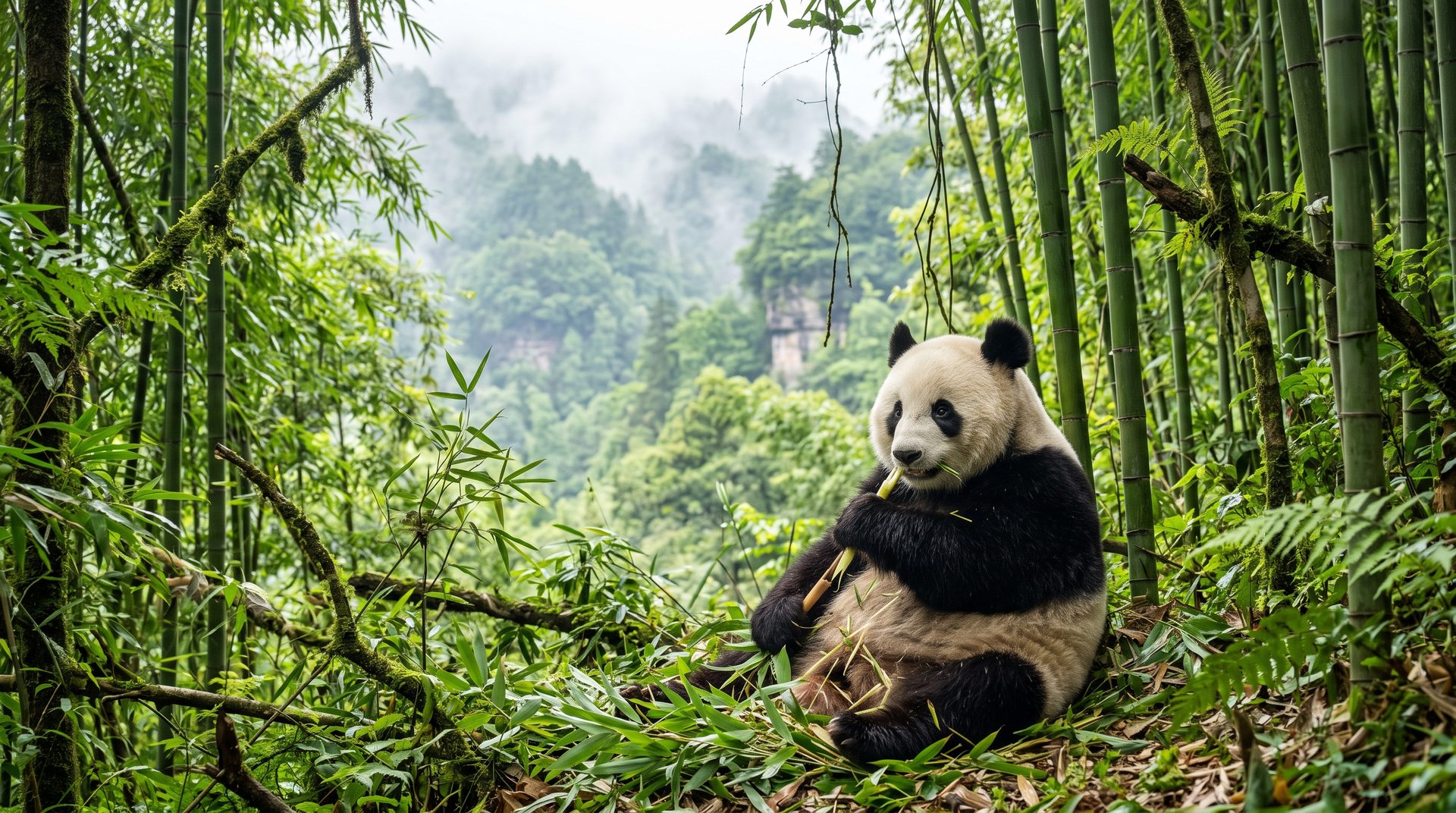
Quick Panda Facts
| Attribute | Details |
|---|---|
| Scientific Name | Ailuropoda melanoleuca |
| Class | Mammalia (Mammal / Bear Family) |
| Habitat | Bamboo forests in mountain ranges of Sichuan, Shaanxi, and Gansu provinces in China |
| Diet | Mostly bamboo (about 99%) |
| Lifespan | 15 to 20 years in the wild (about 25 to 30 years in human care) |
| Size | 4 to 6 feet long (1.2 to 1.8 meters); weighs about 150 to 350 pounds |
12 Amazing Facts About Giant Pandas
1. Are giant pandas real bears?
Imagine a giant black-and-white teddy walking through the woods. For years, even grown-ups argued: is that a bear, or a raccoon in a huge costume? The giant panda is a true member of the bear family (Ursidae). Scientists used DNA like a family-tree test, and it showed Ailuropoda melanoleuca sits with bears, not raccoons.
2. Where do giant pandas live in the wild?
Picture a cool, foggy neighborhood built from giant grass instead of houses. Wild pandas live only in bamboo forests high in the mountains of Sichuan, Shaanxi, and Gansu in central China. Those misty slopes stay damp, so bamboo can grow thick — a perfect snack aisle for a panda.
3. What do giant pandas eat every day?
Although they have the digestive system of a carnivore, giant pandas eat bamboo for over 99 percent of their daily diet. Because bamboo is low in nutrients, an adult giant panda must spend up to 12 hours every day munching on leaves and shoots to stay healthy. You can learn more about these remarkable green stalks in our bamboo plant facts guide.
4. How much bamboo does a panda eat?
To get enough energy, a giant panda can eat between 26 to 84 pounds (12 to 38 kilograms) of bamboo every single day. They use their strong jaws and broad teeth to crush tough woody stems. Because bamboo is so fibrous, a panda can also leave behind about 60 pounds (28 kilograms) of poop in one day — a messy but useful way to spread seeds and plant bits through the forest.
5. Why do pandas have a "false thumb"?
Pandas possess an enlarged wrist bone called a modified radial sesamoid, which acts like a sixth digit or false thumb. This special physical feature allows them to hold slippery bamboo stalks firmly while stripping away the tough outer layers. It is an incredible example of animal adaptations in the wild.
6. Why are giant pandas black and white?
Scientists believe that a giant panda’s black and white coat provides natural camouflage in both snowy and shadowy forest habitats. The white face and belly help them hide in snow, while the black arms, legs, and ears blend into deep forest shadows.
7. How big are newborn panda babies?
When a panda cub is born, it is about the size of a stick of butter and weighs only 3.5 to 5 ounces (100 to 140 grams). Newborn cubs are pink, hairless, blind, and completely dependent on their mothers for warmth and protection.
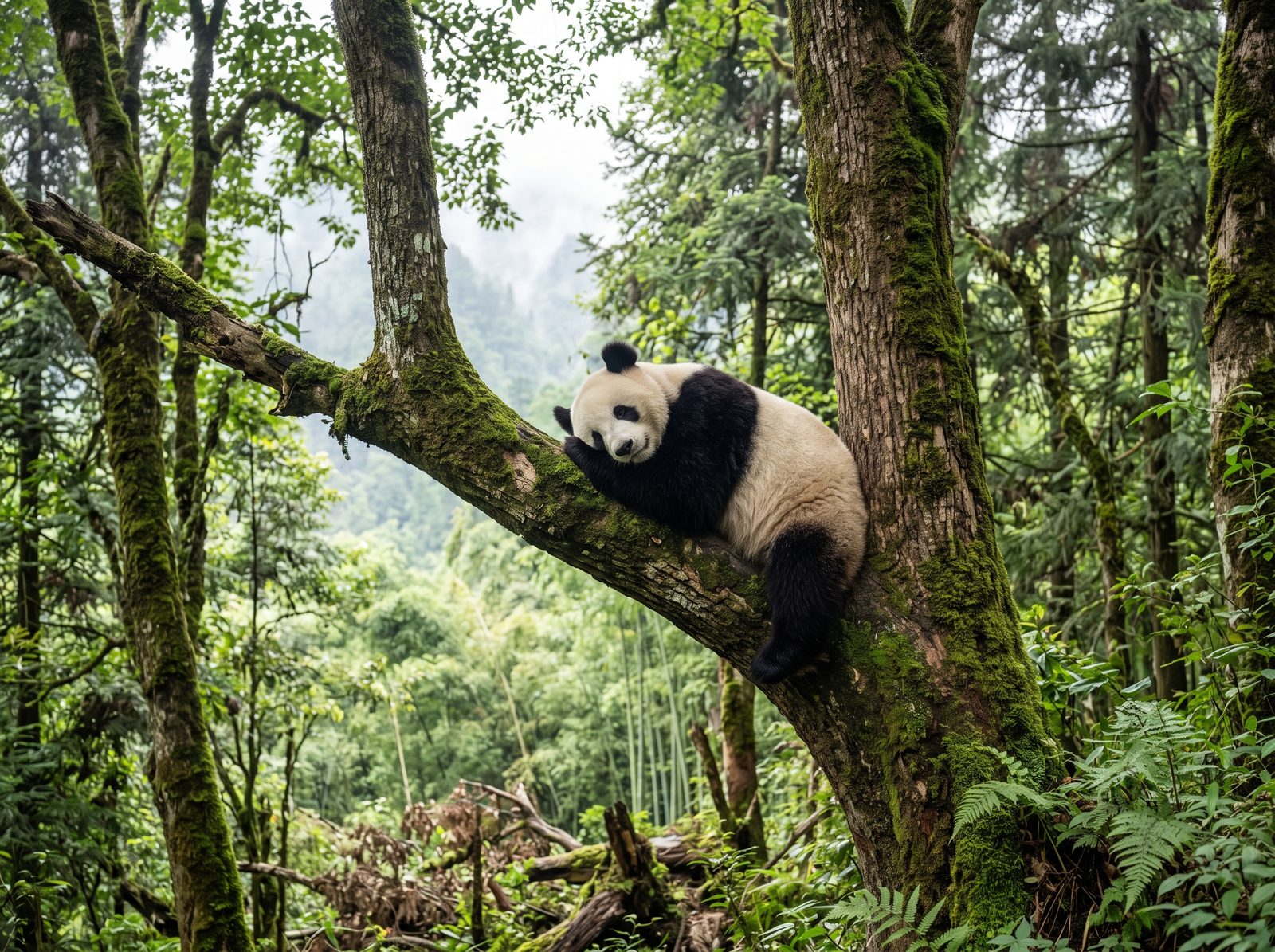
8. Are giant pandas good at climbing trees?
Despite their heavy weight and clumsy appearance on the ground, giant pandas are excellent tree climbers and strong swimmers. Young cubs learn to climb trees as early as seven months old to stay safer from animals such as leopards.
9. How do giant pandas communicate with each other?
Pandas are mostly solitary animals, so they rely on scent marking and vocal bleats to communicate with other giant pandas. They rub scent glands located near their tails against trees, rocks, and grass to mark their territory and leave messages. A group of pandas even has funny nicknames, including an embarrassment of pandas, a cupboard of pandas, or a bamboo of pandas.
10. Do giant pandas hibernate in the winter?
Unlike many other bear species that sleep through cold winters, giant pandas do not hibernate because bamboo is available year-round. Instead of sleeping, pandas simply migrate down to lower mountain elevations where temperatures are slightly warmer during winter months.
11. What is a panda’s official conservation status?
Thanks to dedicated forest protection and breeding programs in China, the giant panda was upgraded from Endangered to Vulnerable on the IUCN Red List. Continued conservation efforts ensure that their mountain habitats remain safe from deforestation.
12. How do giant pandas spend most of their day?
A panda’s day is like a never-ending snack recess with nap breaks. Most of the day is spent eating bamboo, then resting to digest that tough, stringy food. Because bamboo is a low-energy meal, pandas move slowly and snooze often — more “cozy couch bear” than “busy playground bear.” Compare that plant-eater lifestyle with another giant grazer in our bison facts for kids.
Giant Panda vs Red Panda Comparison
Although they share a name and a love for bamboo, giant pandas and red pandas belong to completely different animal families!
| Feature | Giant Panda | Red Panda |
|---|---|---|
| Animal Family | Bear family (Ursidae) | Red panda family (Ailuridae) |
| Average Weight | 150 – 350 pounds (70 – 160 kg) | 7 – 14 pounds (3 – 6 kg) |
| Coat Color | Black and white | Reddish-brown with white facial markings |
| Tail Type | Short stubby tail (5-6 inches) | Long bushy ringed tail (12-20 inches) |
| Primary Habitat | High mountain bamboo forests of China | Mountain forests of Eastern Himalayas & Southwestern China |
| Diet | 99% Bamboo shoots and leaves | Bamboo leaves, fruit, eggs, and insects |
Test Your Knowledge: Panda Quiz
Test how much you learned about facts about giant pandas with this quick quiz! Want to try more fun quizzes? Check out our interactive animals quiz page.
Question 1
What animal family does the giant panda belong to?
- A) Raccoon family
- B) Bear family
- C) Weasel family
- D) Cat family
Correct Answer: B
Explanation: Scientific DNA testing proves that giant pandas are true members of the bear family (Ursidae).
Question 2
Where do wild giant pandas live?
- A) African savannas
- B) Mountain bamboo forests of central China
- C) Rainforests of South America
- D) Australian outback
Correct Answer: B
Explanation: Wild giant pandas live exclusively in cool, misty mountain bamboo forests in Sichuan, Shaanxi, and Gansu provinces in China.
Question 3
What percentage of a giant panda’s diet is made up of bamboo?
- A) 25%
- B) 50%
- C) 75%
- D) Over 99%
Correct Answer: D
Explanation: Giant pandas consume bamboo for over 99% of their daily food intake.
Question 4
What special physical feature helps pandas hold onto bamboo stalks?
- A) A sharp beak
- B) A sixth digit or "false thumb"
- C) Sticky pads on their paws
- D) Long prehensile tails
Correct Answer: B
Explanation: Pandas have an enlarged wrist bone that acts like a false thumb, allowing them to grip bamboo stems easily.
Question 5
Why don’t giant pandas hibernate during the winter like other bears?
- A) They dislike cold weather
- B) Bamboo grows year-round, so they need to eat constantly
- C) They build warm houses in caves
- D) Their thick fur keeps them too hot to sleep
Correct Answer: B
Explanation: Because bamboo is available all year and provides low calorie energy, pandas must keep foraging and eating instead of hibernating.
Explore more animal facts and try an animals quiz for kids.